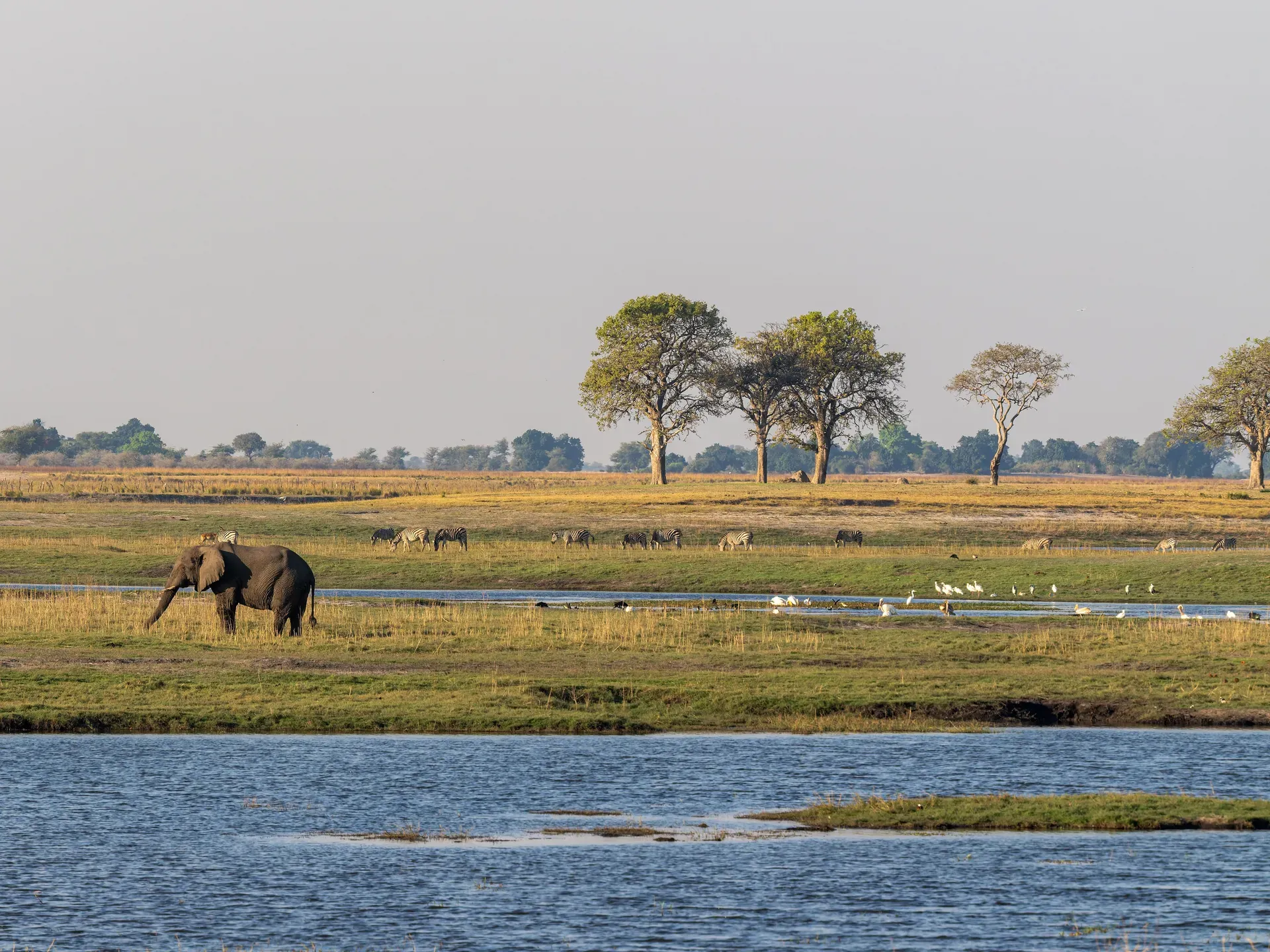
Chobe National Park holds an estimated 50,000–70,000 elephants — the densest concentration on the planet — and from August to October hundreds of them wade trunk-up across the Chobe River at dusk. The gateway town of Kasane sits just 8 km from Sedudu Gate, with Victoria Falls an hour further on, so a sunrise game drive, a hippo-packed river cruise and the world's largest sheet of falling water can all fit in a weekend.
Find Guided ToursChobe National Park holds the densest elephant population on Earth — an estimated 50,000 to 70,000 animals within its 11,700 km² of northern Kalahari sandveld. It is Botswana's first national park and its most biologically diverse protected area, split into four distinct regions: the Chobe Riverfront (Serondela), the Linyanti wetlands, the Savuti Marsh, and the arid Ngwezumba pans in the interior.
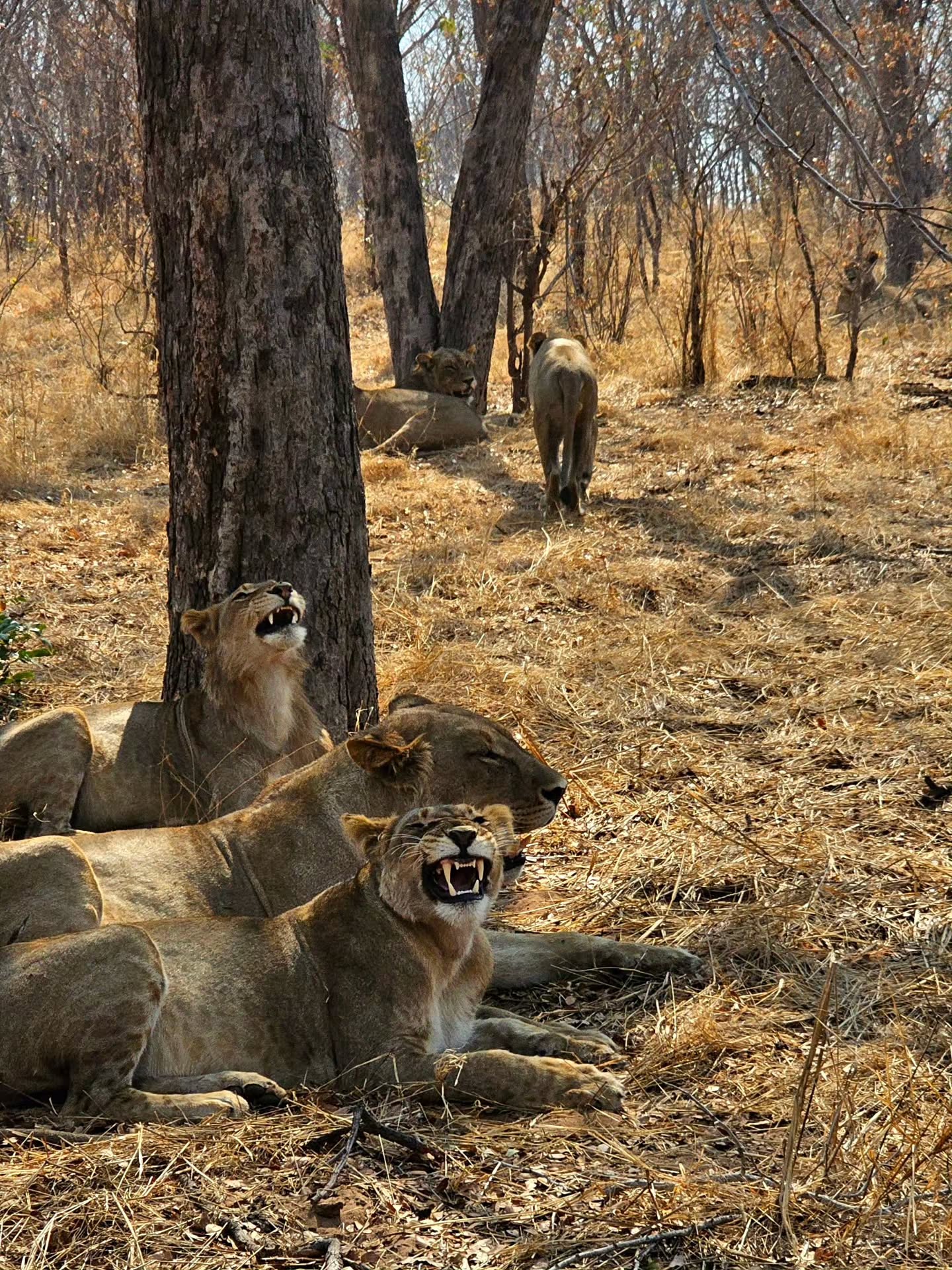
The elephants are the headline, and they come in herds that can top a hundred animals on the riverfront in the dry season. Botswana as a whole counts 131,909 elephants according to the 2022 KAZA Elephant Survey, the largest national population in the region. Chobe's prides of lions are known to hunt elephants — a rare behaviour — and the park's bird list runs past 450 species. In 2024 it drew 276,400 paying visitors and generated over P30 million in entrance fees, making it Botswana's flagship tourism asset.
The San (Basarwa) hunter-gatherers were the area's original inhabitants, and their rock paintings still survive in the park's rocky hills. A national park was first proposed in 1931; a year later some 24,000 km² were declared a non-hunting area, expanded to 31,600 km² by 1934. Tsetse infestations in 1943 stalled everything. Government interest returned in 1953, and Chobe Game Reserve was officially created in 1960. After Botswana's independence, it became the country's first national park in 1967/68.
Industrial settlements, including the Serondela timber camp, were gradually cleared out, and by 1975 the whole area was free of human activity. Minor expansions followed in 1980 and 1987. Today the park forms part of the Kavango–Zambezi (KAZA) Transfrontier Conservation Area, touching Namibia, Zimbabwe and Zambia, and sits at the core of a tentative UNESCO-listed Chobe–Linyanti wetland system.
Discover the full history and cultural significance on our About page.
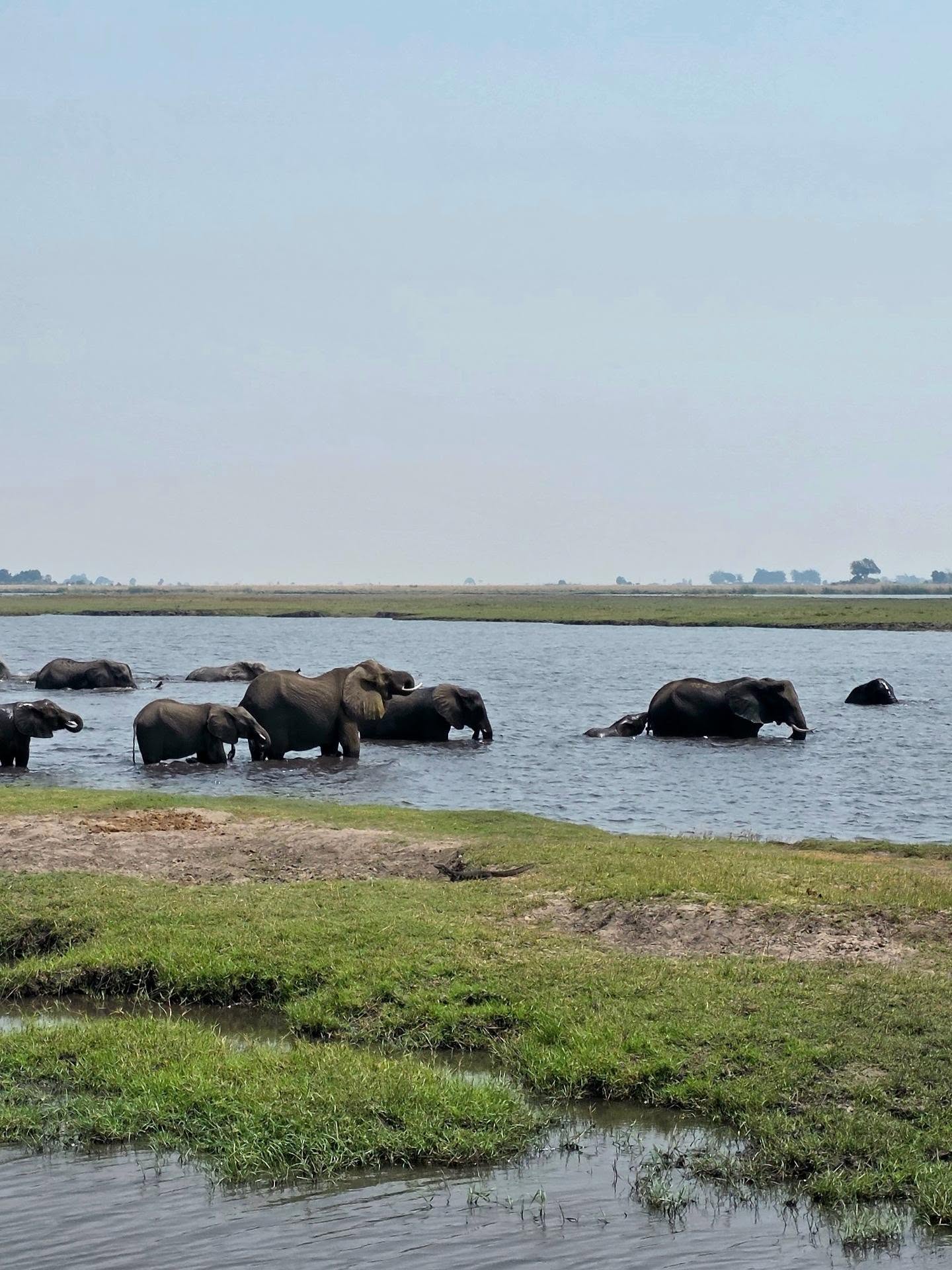
A 3-hour Chobe River cruise from Kasane (about US$40/person) drifts past hippos, crocodiles and fish eagles while elephants swim trunk-up between the banks. Buffalo crowd the shoreline at dusk. Book the sunset departure — it's the signature sight in a park holding 50,000–70,000 elephants.
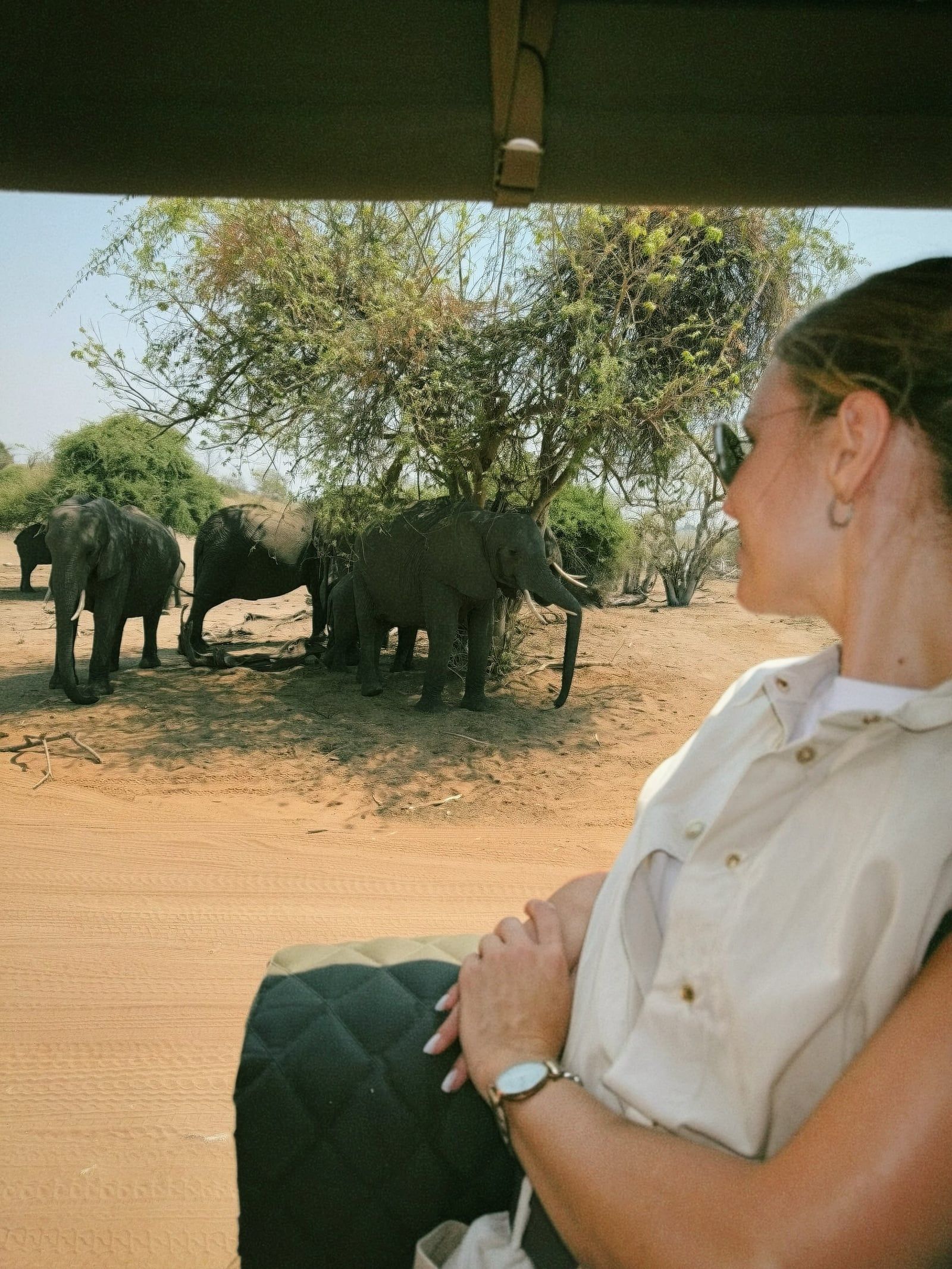
From August to October, hundreds of elephants and Cape buffalo converge on the Chobe River to drink, and single herds of 60+ animals routinely cross the sandy track metres from your vehicle. The loop starts at Sedudu Gate, just 8 km west of Kasane — an easy half-day drive.
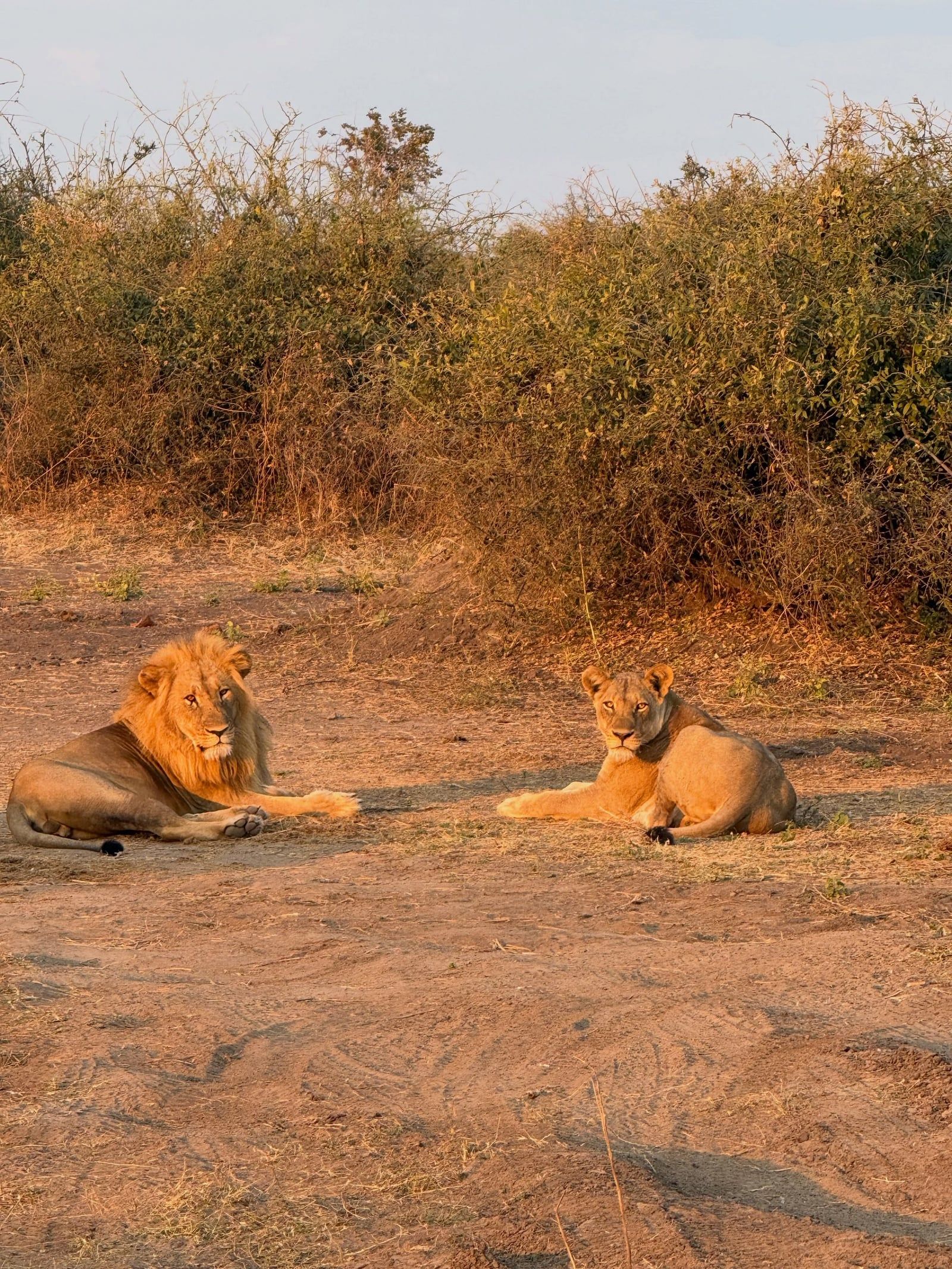
Savuti's prides are famous for hunting elephants, and the marsh is prime lion and hyena territory. The erratic 100 km Savuti Channel — dry by 1880, flowing again from 1957 — feeds it all. Allow 2–3 full days here; the drive from Kasane is 195 km of deep sand, 5–6 hours.
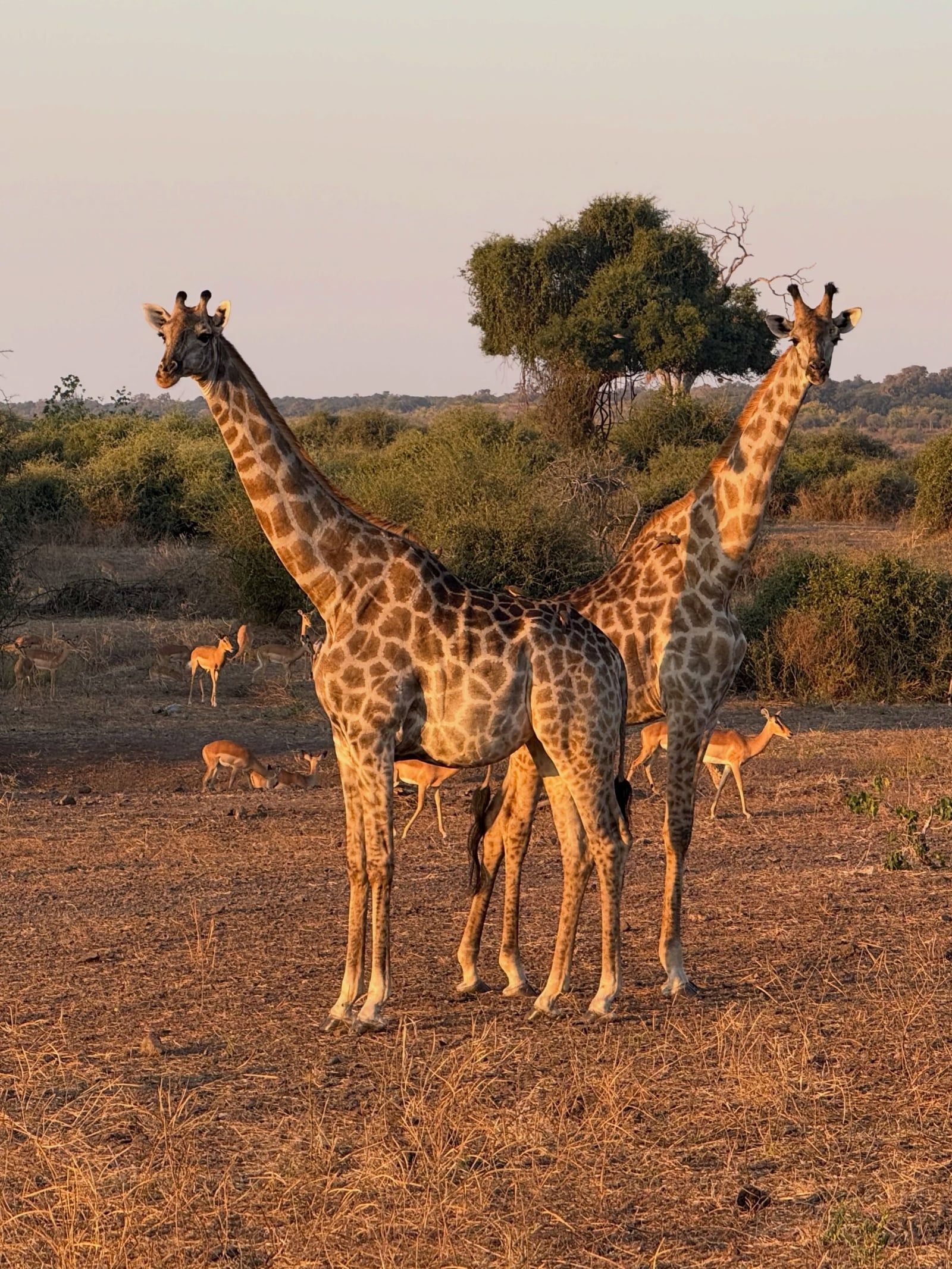
From December to March, migrants from Europe and Asia swell Chobe's 450+ species list. Carmine bee-eaters, storks and kingfishers work the river floodplains and Savuti Marsh alongside the hippos. Rain cools nothing — afternoons sit around 33 °C — but crowds thin and the birding peaks.
Book from $74 and combine open 4x4 game drives with Chobe River boat cruises, hotel pickup in Victoria Falls, and free cancellation up to 24 hours.
Swipe to see more
Aim for the dry season, May to October, when wildlife crowds the Chobe River and August–October delivers the strongest game viewing — though it's also peak season, so book lodges and campsites well ahead. November to March is hot, wet and quieter, but worth it for birding.
Prime game viewing peaks in September and October as elephants, buffalo and lions crowd the riverfront and the Linyanti and Savuti waterholes. October hits around 35°C just before the rains; November turns hot and humid.
Hot, humid afternoons around 33°C, with January and February the wettest months and some Savuti and Linyanti roads muddy or impassable. The payoff: migrants swell the 450+ bird list, and the zebra migration is on the move.
March still carries rain and muggy heat, but conditions dry steadily into May, when animals start concentrating at the river. By late autumn you get thinning bush, comfortable days and fewer crowds than mid-year.
The most comfortable window: afternoons of 27–29°C, nights of 6–8°C, and the fewest mosquitoes in July and August. Wildlife gathers along the Chobe River — pack warm layers for cold dawn drives in open vehicles.
Chobe National Park's gates keep seasonal hours: from April to September they open at 06:00 and close at 18:30; from October to March they open at 05:30 and close at 19:00. The park has four operational gates — Sedudu Gate (the main tourist entrance, about 8 km west of Kasane), Ngoma Gate on the western Riverfront at the Namibian border, Ghoha Gate for remote northern access to Savuti, and Mababe Gate, the southern Savuti entrance from Maun. Ihaha, Savuti and Linyanti gates serve the campsites. There is no driving after sunset and no night drives anywhere in the park, and campers must exit by 11:00 on their departure day.
| Category | Price |
|---|---|
| International adult (long-standing rates, most likely to apply) | BWP 120 (~US$11) per person per day |
| International child 8–17 (long-standing rates) | BWP 60 per person per day |
| Child under 8 | Free |
| Botswana resident (long-standing rates) | BWP 30 per person per day |
| Botswana citizen (long-standing rates) | BWP 10 per person per day |
| Vehicle, Botswana-registered (long-standing rates) | BWP 10 per day |
| Vehicle, foreign-registered (long-standing rates) | BWP 50 per day |
| International adult (gazetted 2026 schedule — rollout postponed on 31 March 2026, confirm at the gate) | BWP 270 (~US$20) per person per day for Chobe & Moremi |
| International child 8–17 (gazetted 2026 schedule) | BWP 135 per person per day |
| Resident & SADC citizen adult (gazetted 2026 schedule) | BWP 205 per day for Chobe & Moremi; BWP 102.20 for other parks |
| Botswana citizen (gazetted 2026 schedule) | BWP 30 per day for Chobe & Moremi; BWP 15 for other parks |
| Private vehicle under 3,500 kg (gazetted 2026 schedule) | BWP 30 per day (Botswana-registered); BWP 115 per day (foreign-registered) |
| Caravan or trailer (gazetted 2026 schedule) | BWP 15 per day (Botswana-registered); BWP 60 per day (foreign-registered) |
| Vehicle 3,500–7,000 kg (gazetted 2026 schedule) | BWP 500 per day (Botswana-registered); BWP 1,000 per day (foreign-registered) |
| Vehicle over 7,000 kg (gazetted 2026 schedule) | BWP 800 per day (Botswana-registered); BWP 1,500 per day (foreign-registered) |
| Group tour, up to 30 people (per gov.bw) | BWP 75 per day per person |
| Group tour, 30–50 people (per gov.bw) | BWP 100 per day per person |
Fees are charged per person, per day — including your departure day — payable at Sedudu Gate or at the Department of Wildlife and National Parks offices in Maun. Cash and card are accepted, but card machines are unreliable and there are no ATMs in the park, so withdraw pula in Kasane before entering. Keep your receipt for your whole stay: re-entry on an old ticket isn't allowed and triggers a new daily fee. Overnight stays require a pre-booked campsite reservation (Ihaha, Savuti or Linyanti — no wild camping), which is checked at the gate. The 2026 fee increase was postponed, not cancelled, so confirm the applicable rate at the gate before you budget.
For complete schedules and ticket prices, visit our Hours & Fees page.
Chobe is reached through the gateway town of Kasane in Botswana's far north: fly into Kasane International Airport (BBK), 10 km from Sedudu Gate, or drive in from Victoria Falls (~80 km, 1 hour) or Livingstone (~70 km, 1 hour) via the Kazungula border crossings. Gate hours run 06:00–18:30 April–September and 05:30–19:00 October–March, with park fees payable per person per day at Sedudu Gate.
📍 Chobe National Park, accessed via Sedudu Gate, approximately 8 km west of Kasane town, Chobe District, northern Botswana (the park has no street address; Sedudu Gate, 10 km from Kasane International Airport, is the main entry point)
Air Botswana flies Johannesburg to Kasane daily, with Kenya Airways serving Nairobi four times a week and Airlink/Cemair also on the Johannesburg route. The nonstop takes 1 hour 40 minutes and lands at Kasane International Airport, just 6 km from town and 10 km from Sedudu Gate. Most lodges run shuttle transfers from the airport, and taxis are easy to find in Kasane. One-way fares typically run US$197–394, with round trips from about US$515.
The Kazungula Border Post puts you an hour from Victoria Falls town, crossing the spot where Botswana, Zimbabwe, Zambia and Namibia nearly meet. It's about 80 km to Kasane, then a short hop to Sedudu Gate. You'll drive on the left and need an international driver's licence plus vehicle registration, insurance and customs documents. Minibuses run the Kasane–Victoria Falls route, and guided day trips from Kasane with cruise, game drive, lunch and park fees start around US$130 per person.
Cross the Kazungula Bridge over the Zambezi, roughly 70 km and an hour from Livingstone, and you're in Botswana minutes from Kasane. From there it's a short drive to Sedudu Gate for the Riverfront. Self-drivers need vehicle registration, insurance and customs paperwork; Kazungula Bridge border fees also apply. Charter flights connect Livingstone's airport directly to Kasane and the lodges if you'd rather skip the border queue.
The long haul from Maun covers about 600 km via Nata and takes 8–10 hours on Botswana's northern safari circuit — a full day's driving. If you're entering from this side, pay your park fees in advance at the Department of Wildlife offices on Maun's main road. The Mababe Depression route brings you to Mababe Gate, the southern entrance to Savuti, and a proper 4×4 is essential for the park's deep-sand roads. Charter flights also link Maun and Kasane if the drive doesn't appeal.
For detailed transport options and routes, visit our Directions page.
Card machines at Sedudu Gate and the DWNP offices in Maun fail routinely, and there are no ATMs inside the park. Pull cash in Kasane before you head in — Standard Chartered, ABSA and FNB ATMs take international cards. Budget for your departure day too, since fees are charged per person per day, including the day you leave.
The unfenced sites at Ihaha, Savuti and Linyanti fill 4–5 months out, and a pre-booked reservation is mandatory — it's checked at the gate, and wild camping is banned. Reserve through DWNP or SKL Camps (Savuti/Linyanti) before locking in your dates. Check-out is 11:00 sharp on departure day.
Be first through Sedudu Gate at 05:30 (October–March) or 06:00 (April–September) — predators are most active in the first hour, before vehicles pile in. Save the afternoon for a Riverfront drive or boat slot, when dry-season elephant herds converge on the Chobe River to drink. One day, both viewing angles.
June–August mornings on open vehicles sit at 6–8 °C and climb to around 27 °C by mid-afternoon, while October can hit 35 °C. Bring a beanie and fleece for the dawn drive, neutral-coloured long sleeves year-round, and a dust scarf for the sandy tracks. One bag, two climates.
Rangers actively enforce it, with on-the-spot fines of BWP 500–5,000. Keep 300–500 m between vehicles at a sighting, never encircle an animal, and stay at least 10 m from elephants while leaving them an exit path — never park between a herd and the river. Stay in your vehicle except at designated picnic sites.
Park roads are deep Kalahari sand, and the Riverfront–Linyanti–Savuti transfer is a genuine test of vehicle and driver. If you lack experience, a guided day trip from Kasane (roughly US$130–180 per person) covers hotel pickup, a river cruise, a game drive, lunch and park fees — cheaper and safer than a rental stuck in sand.
The world's largest curtain of falling water, Mosi-oa-Tunya — 'the smoke that thunders' — sits an hour across the border, and the Chobe River flows on toward the Zambezi here. Most visitors tack on a day trip from Kasane; it's most dramatic in high-water months.
The Zambian side of Victoria Falls gives you the Devil's Pool swim (low-water season), Zambezi rafting, and a different angle on the falls. The Kazungula Bridge crossing takes about an hour, so twin-country itineraries from Kasane are easy.
The world's largest inland delta and Botswana's other flagship wilderness, with mokoro excursions, floodplain game viewing, and luxury camps. Maun is a full-day drive from Kasane via Nata, or a short hop by light aircraft — the classic safari pairing with Chobe.
Read what travelers share about their experience visiting Chobe National Park — from practical tips to personal highlights.
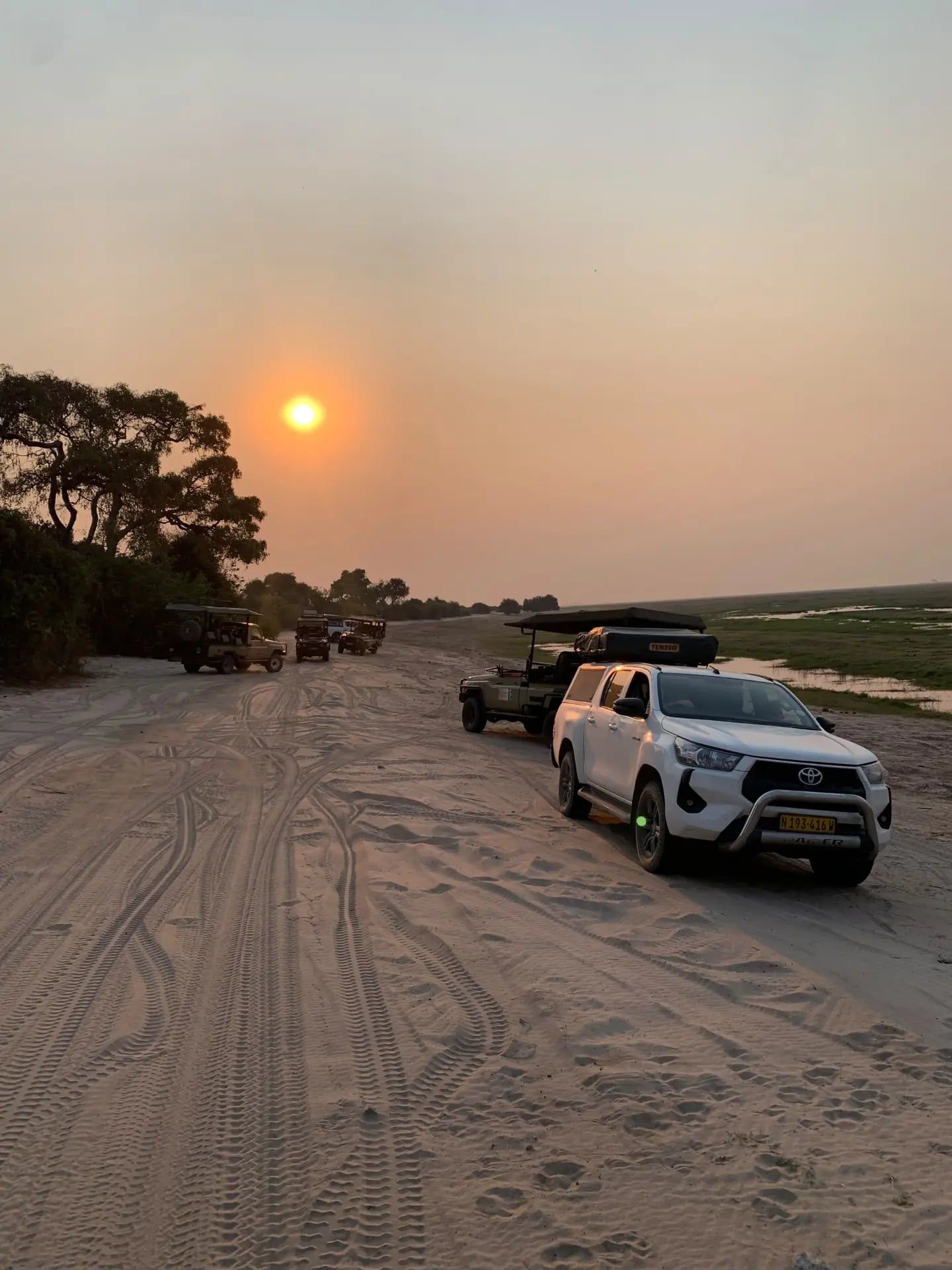
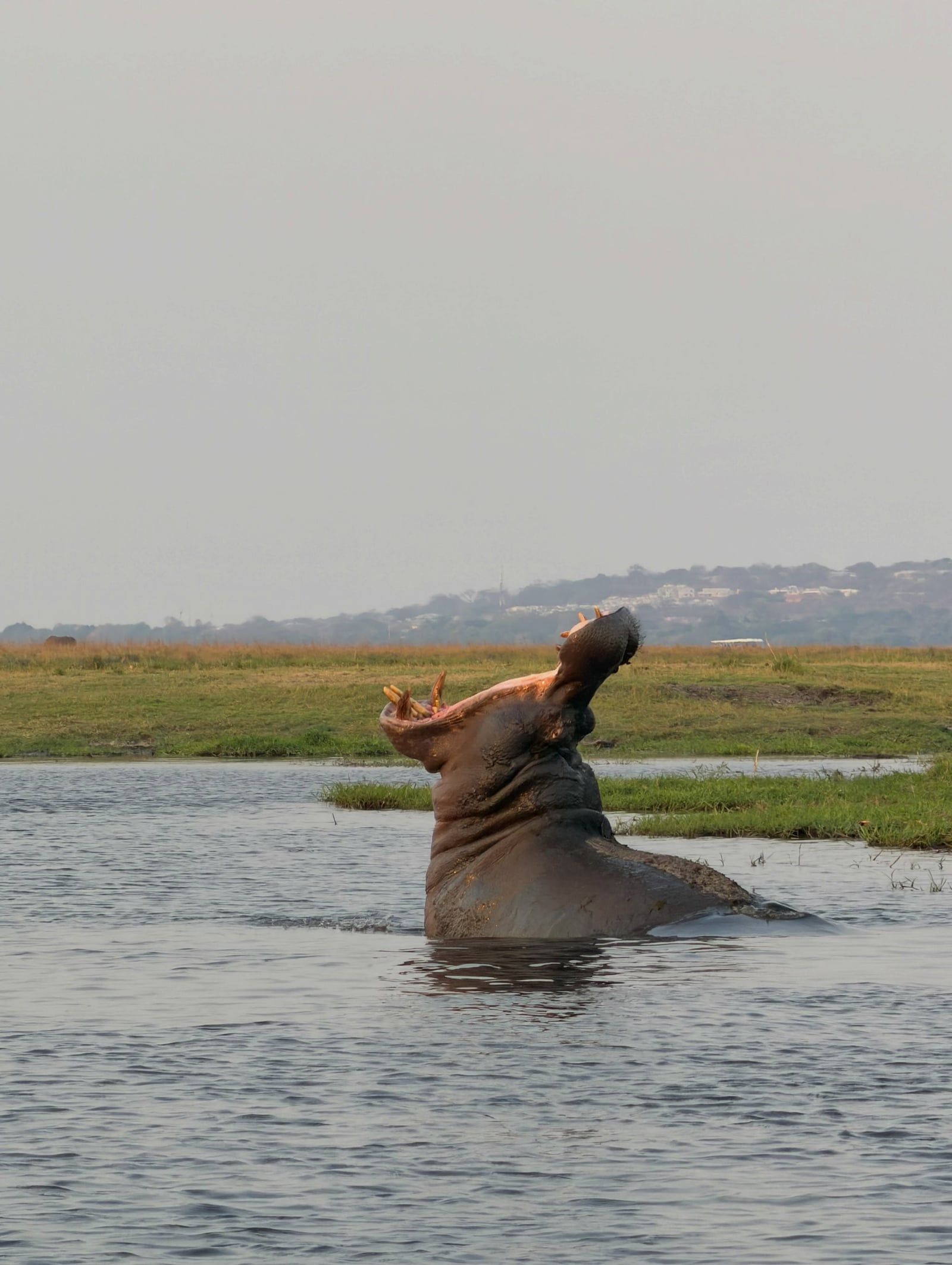
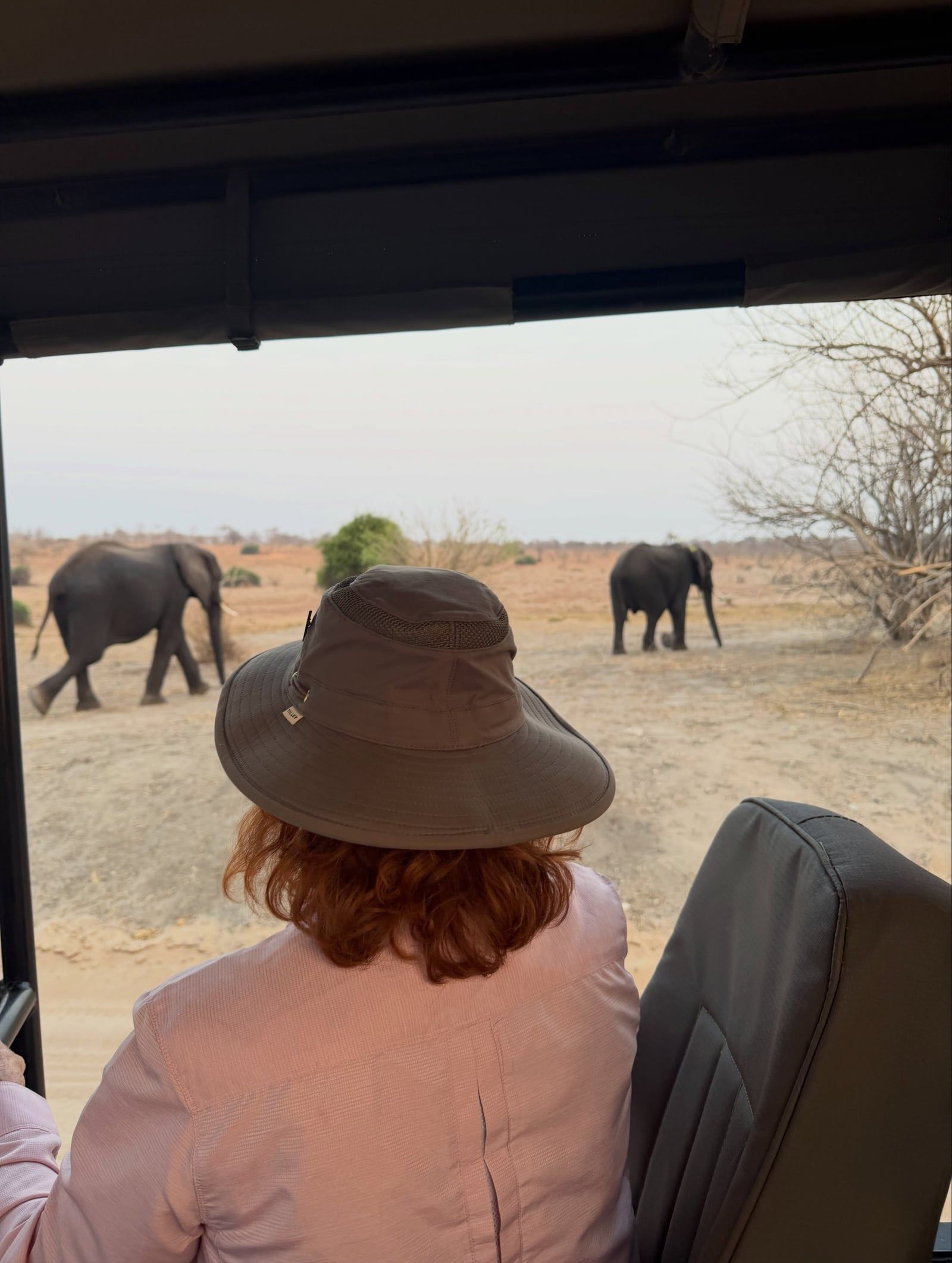
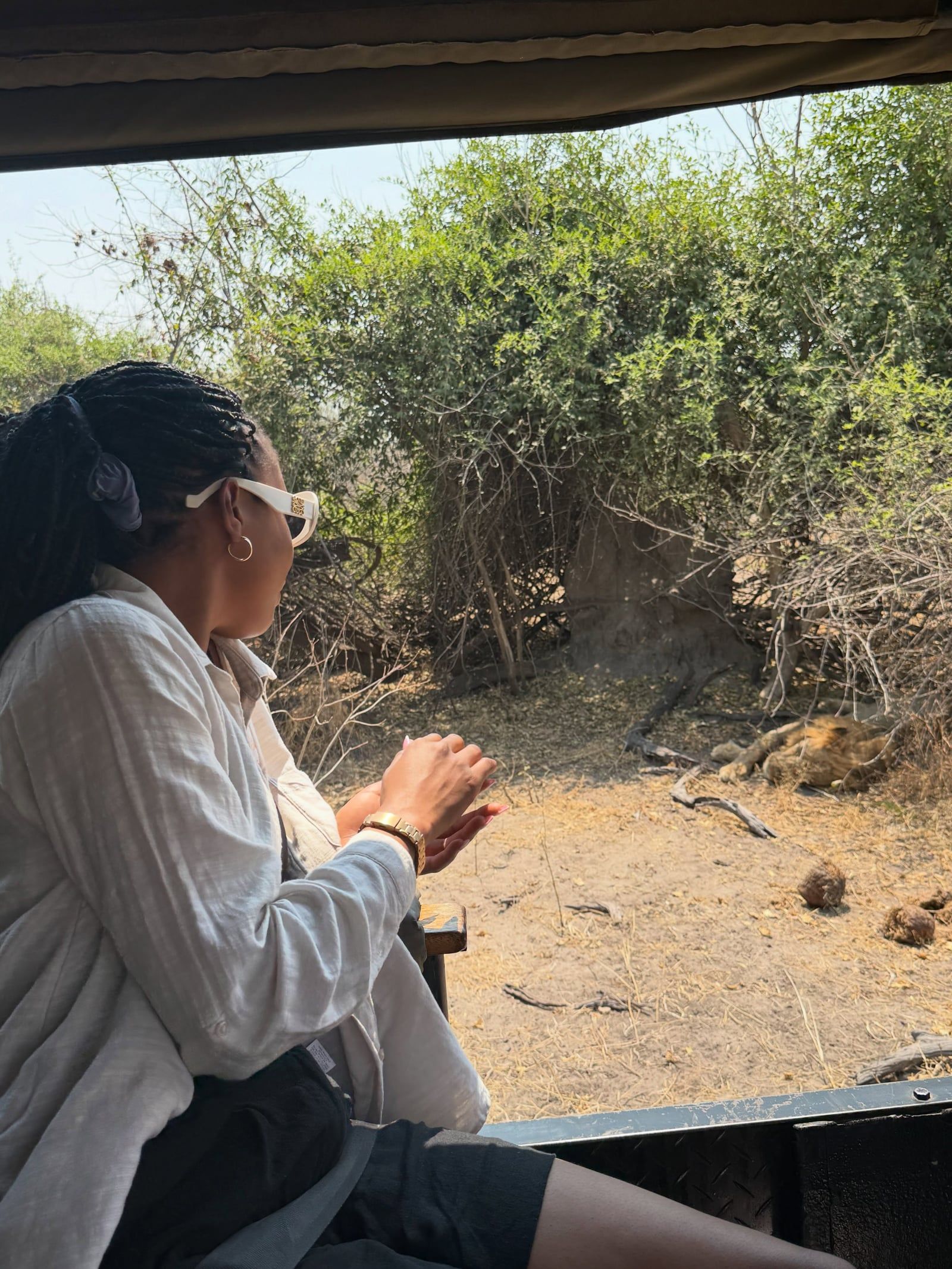
Planning advice, comparisons, and practical tips.
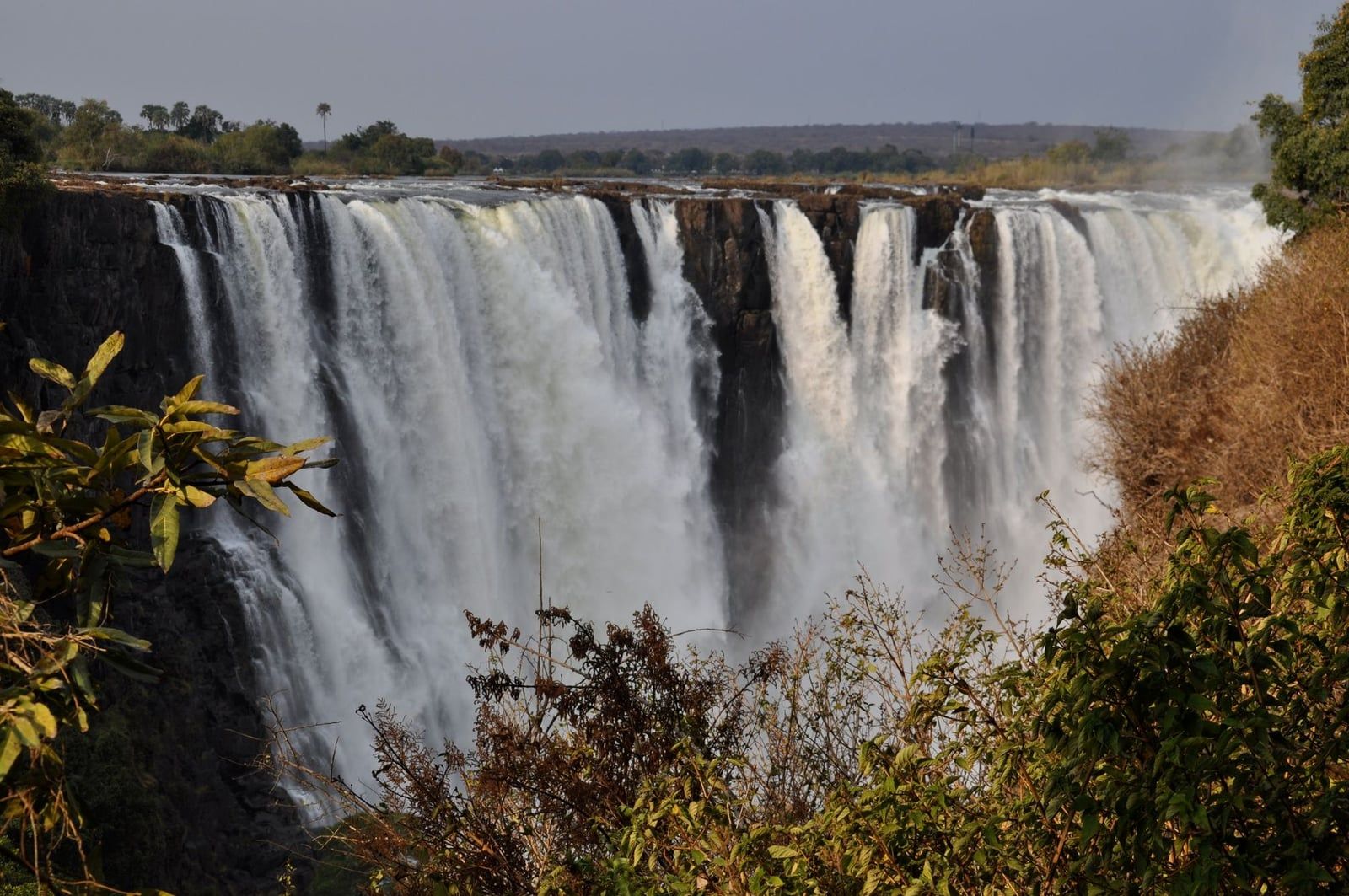
Victoria Falls town gives you the world's largest sheet of falling water and, safari-wise, little else. Chobe National Park, one border crossing and…
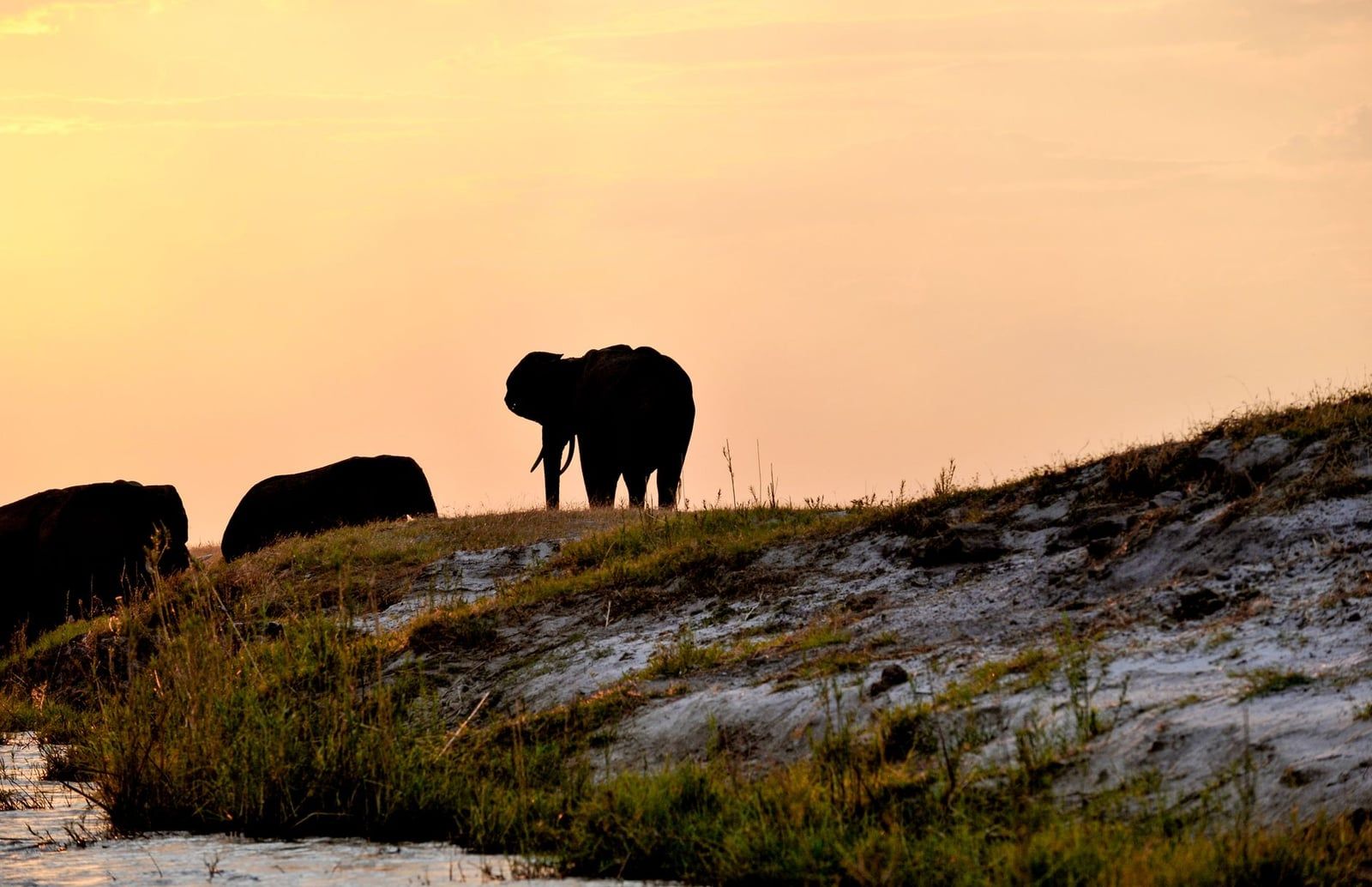
Elephants are the reason most people book a Chobe safari, and no other park on Earth delivers them in such density. An estimated 50,000–70,000 live…
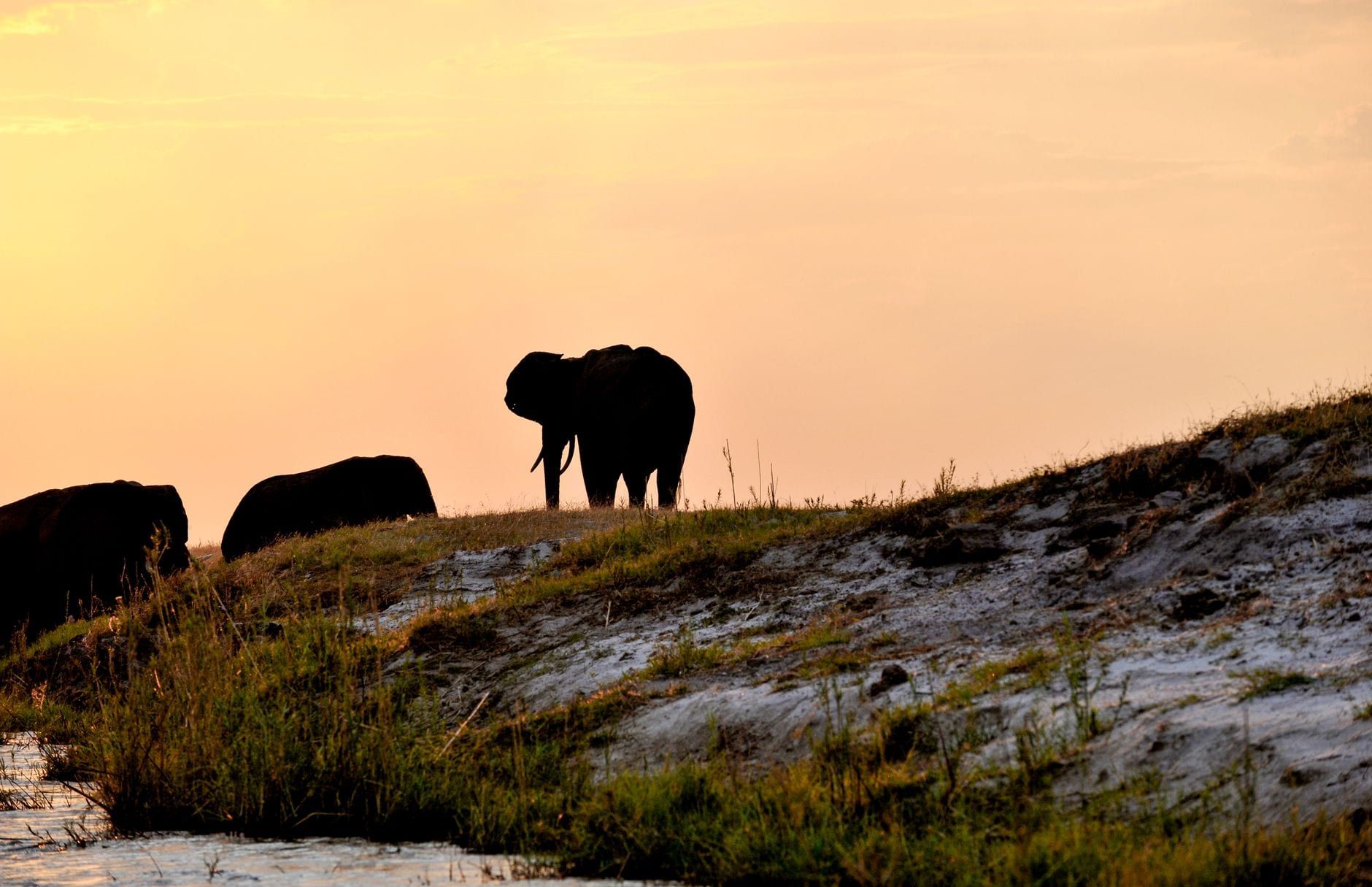
Chobe National Park holds the densest elephant concentration on Earth, four of the Big Five, and lion prides that have learned to hunt elephants. The…
May to October is the best time to visit Chobe National Park, and August to October is the peak of the peak. That's when the dry season pushes the…
Under the long-standing schedule, international adults pay BWP 120 (about US$11) per person per day, children 8–17 pay BWP 60, and under-8s are free. A 2026 schedule raising international adult fees to BWP 270 was gazetted for 1 April 2026 but postponed on 31 March, so confirm the current rate at Sedudu Gate and carry cash — card machines are unreliable and there are no ATMs in the park.
May to October is prime, with August–October the strongest months as elephants, buffalo, lions and giraffe crowd the Chobe Riverfront. For birding, come December to March, when migratory species swell the park's 450+ species list — though January and February are the wettest months and some Savuti and Linyanti roads turn muddy.
One to two nights in Kasane covers the Riverfront highlights, typically a 3-hour game drive (BWP 498 per person, departing 06:00 or 15:00) combined with a 3-hour river cruise. To include Savuti, budget 3–4 days — the Kasane–Savuti drive alone is about 195 km and takes 5–6 hours on deep sand.
Fly into Kasane International Airport (BBK), 1 hour 40 minutes nonstop from Johannesburg on Air Botswana, which flies the route daily; Sedudu Gate is just 10 km from the airport. Victoria Falls is only 80 km (1 hour) away via the Kazungula Border Post, and Livingstone about 70 km via the Kazungula Bridge, so multi-country trips are easy.
Yes — Victoria Falls town is about 80 km (1 hour) from Kasane via the Kazungula Border Post, and guided day-trip packages from Kasane run from about US$130 per person including a river cruise, game drive, lunch and park fees. Note that Botswana immigration reportedly requires an unabridged birth certificate for travellers under 18 at border crossings.
A shared 3-hour sunset or morning cruise from Kasane costs about US$40 per person, with private charters around US$115. You'll drift past hippos, crocodiles, African fish eagles and elephants swimming trunk-up between the banks.
You can, but you'll need a proper 4×4 — park roads are deep Kalahari sand, and the Riverfront–Linyanti–Savuti routes demand self-sufficiency with recovery gear, spare fuel and water. Overnight stays require a pre-booked campsite reservation (Ihaha is USD 50 per night for internationals), checked at the gate, with no wild camping allowed.
Kasane-based visits work well: lodges run 3-hour boat cruises and short game drives (BWP 498 per person) with minimal walking and airport transfers from 10 km away, and specialist operators like Endeavour Safaris offer wheelchair-friendly 4×4s with lifts and adapted tents. Independent visits in standard rental vehicles aren't realistic for wheelchair users, and the 5–6 hour deep-sand drive to Savuti is best avoided by less mobile travellers.
Browse verified tours with free cancellation and instant confirmation.
Find Tours


