Quick Answer: When Is the Best Time to Visit Chobe?
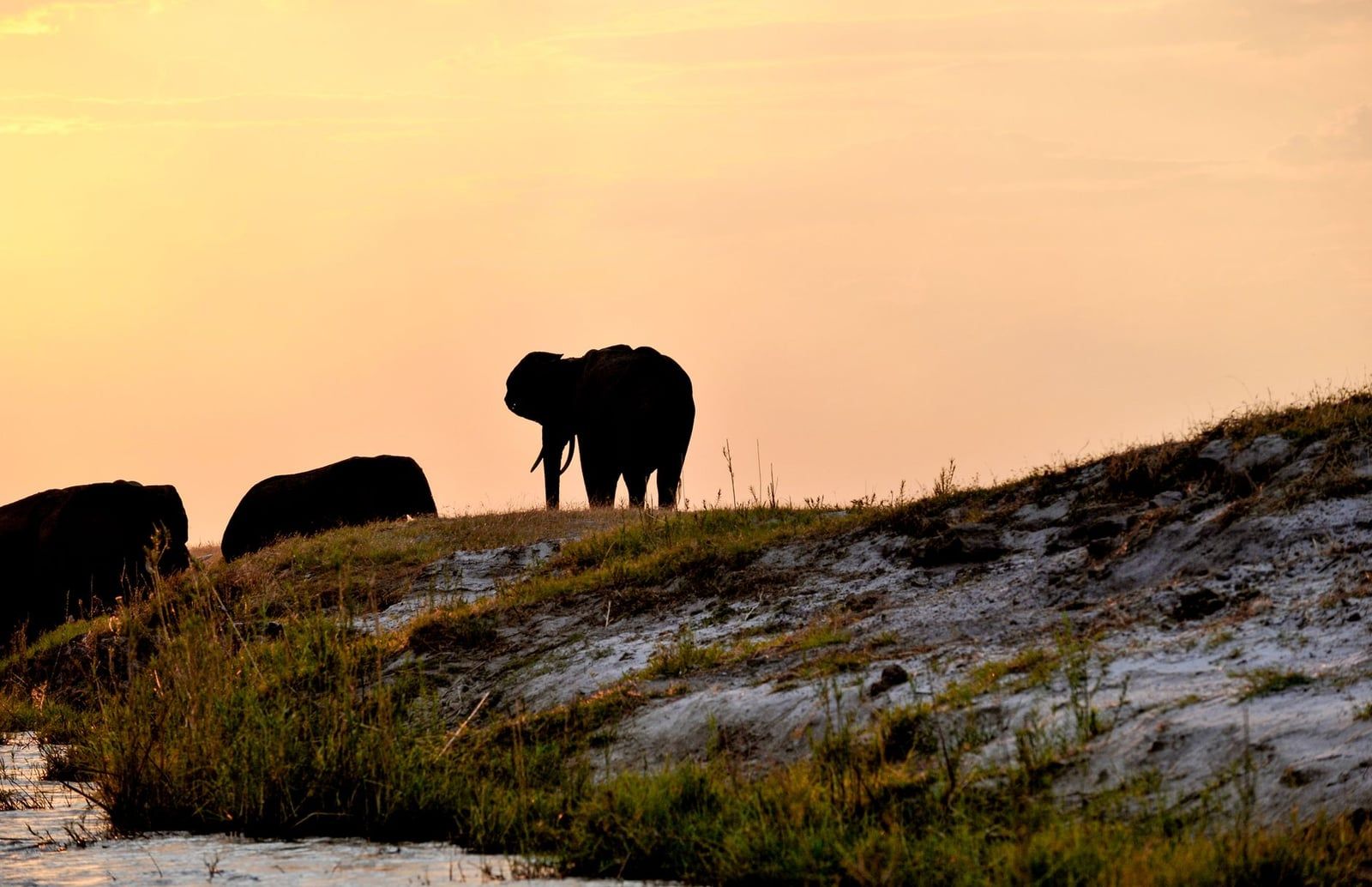
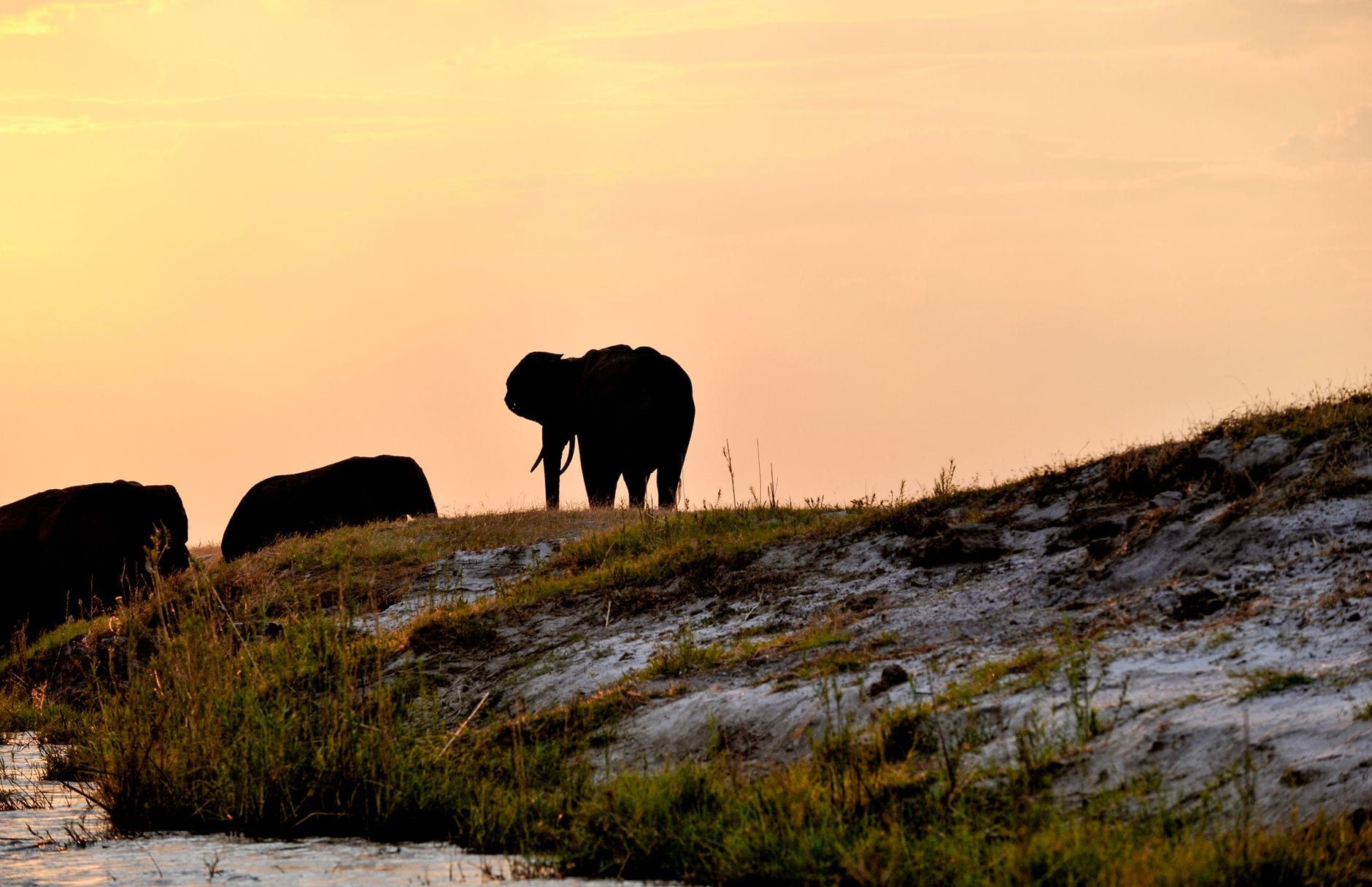
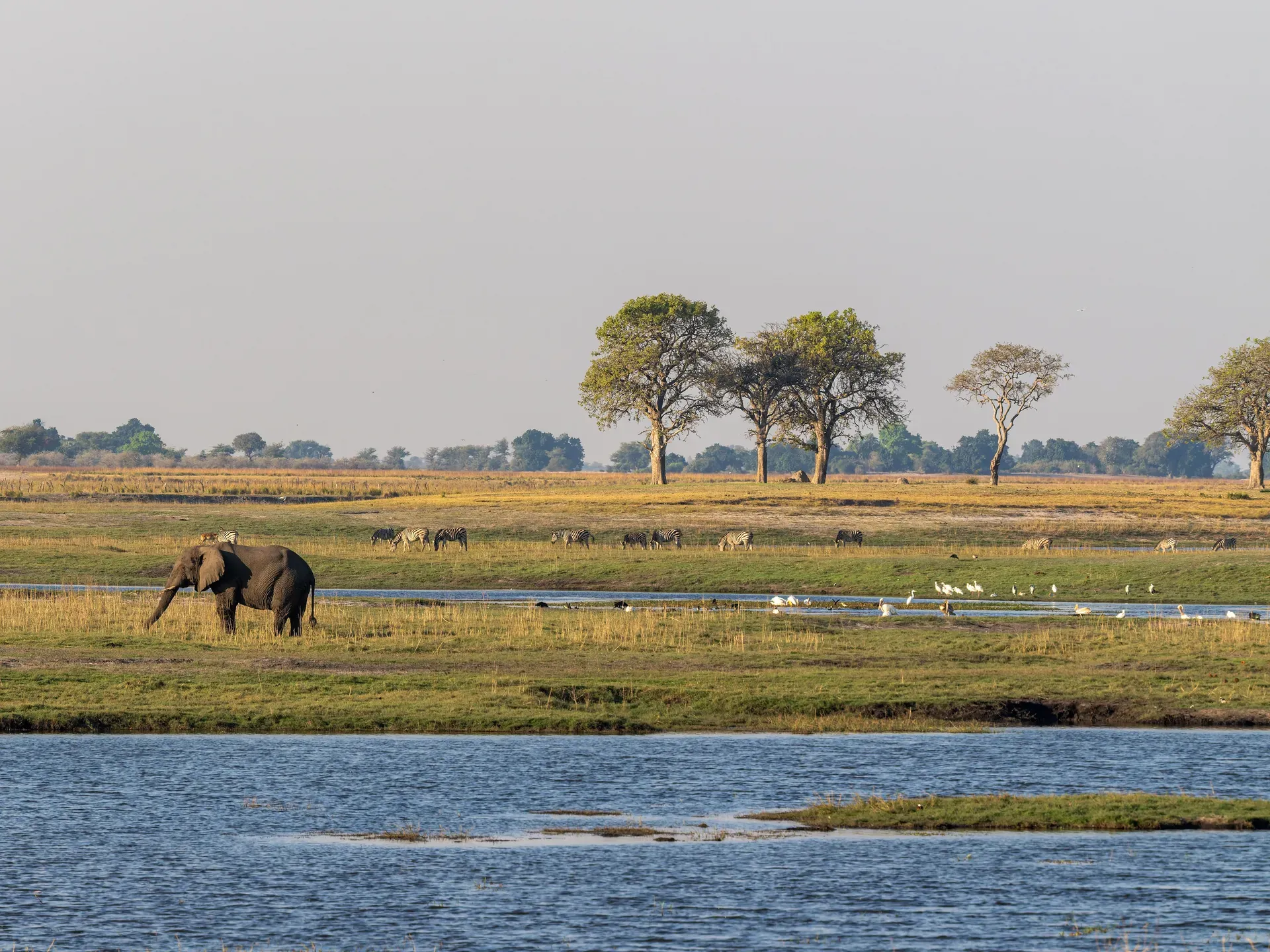
May to October is the best time to visit Chobe National Park, and August to October is the peak of the peak. That's when the dry season pushes the park's famous elephants — an estimated 50,000 to 70,000 animals, the densest concentration on Earth — onto the Chobe Riverfront in herds you won't see anywhere else.
Chobe's calendar runs on local rainfall, not a distant flood pulse. When the rains stop around April, the interior waterholes dry out and wildlife pours toward the permanent river on the park's northern edge. When the rains return in November, it disperses again. That one mechanism explains almost everything about when to go.
But "best" depends on what you're after. May–June and November deliver near-peak game at shoulder rates, the remote Savuti region performs year-round, and the green months bring 450-plus bird species, newborn antelope and the year's lowest prices. Our complete Chobe safari guide covers the mechanics of a visit; this page is about picking your dates.
Chobe at a Glance: Season Comparison
This table shortlists your dates in thirty seconds; the rest of the article explains the trade-offs behind each row.
| Factor | When | What to expect |
|---|---|---|
| Wildlife viewing | May–October (peak Aug–Oct) | Animals crowd the riverfront as the interior dries; elephant herds of 1,000+ by Sep–Oct |
| High season | July–October | Peak rates and busy riverfront hotspots; book lodges 9–12 months ahead |
| Low season | November–June | Year's lowest rates and thinnest crowds; some tracks muddy after rain |
| Weather | Best May–August; hottest October | Winter afternoons ~27 °C with 6–8 °C dawns; October afternoons push 35 °C |
| Birding and migration | Birds Nov–April; zebra Nov & Mar–Apr | 450+ species with migrants; zebra move through Savuti in both directions |
| Malaria | Year-round risk, highest Nov–June | CDC lists Chobe as a transmission area; prophylaxis and repellent advised |
Dry Season (May–October): Why It's Peak for Wildlife
Every dry month tightens the squeeze. Interior pans and seasonal waterholes give up one by one, and the animals that spent the summer scattered across 11,700 square kilometres of park converge on the Chobe River. First herds arrive in May; by June and July they're coming in the hundreds; by September and October, gatherings of a thousand or more elephants aren't uncommon.
The elephant build-up
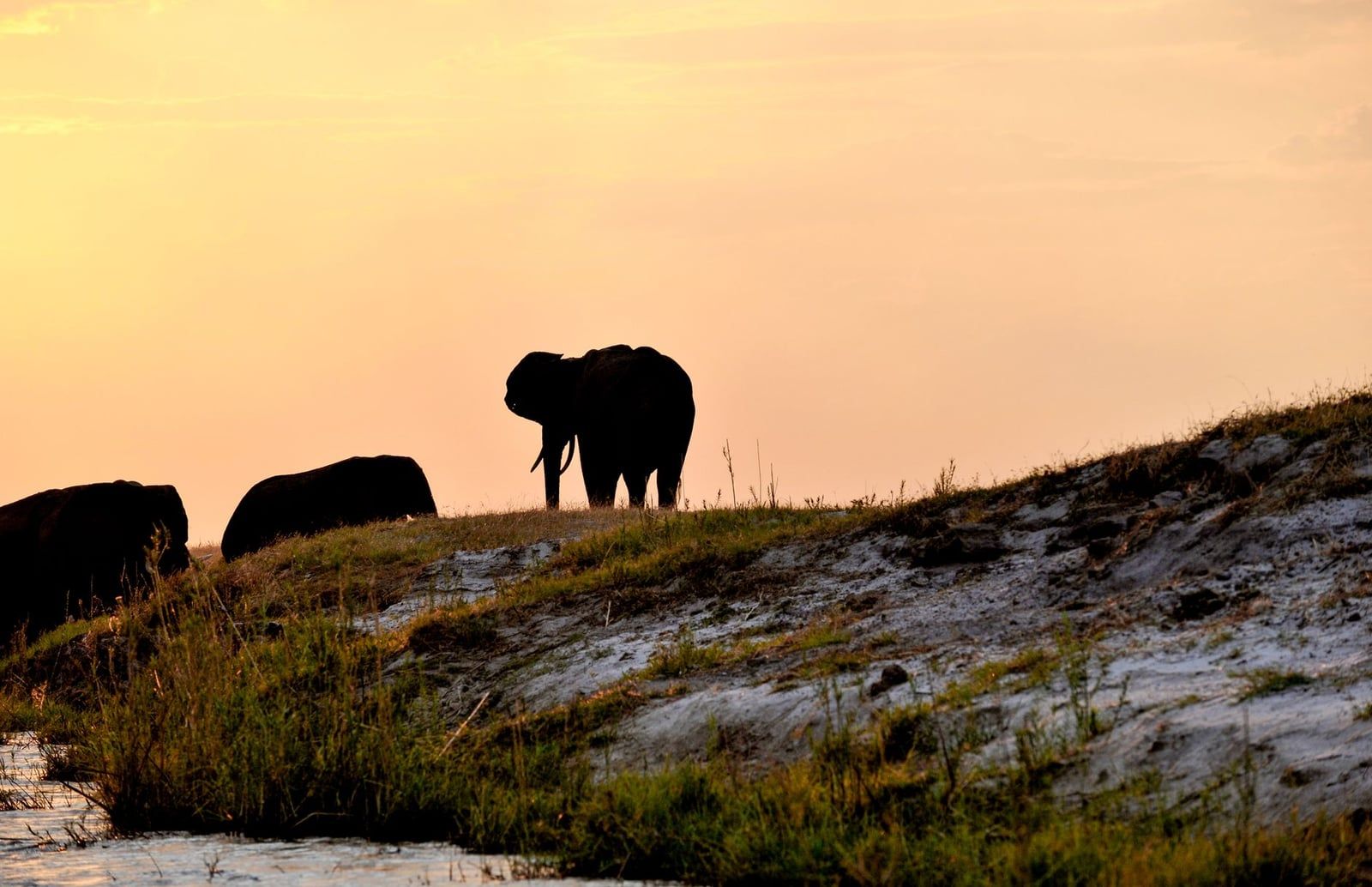
The riverfront loop from Sedudu Gate, 8 km west of Kasane, is where the concentration lands: elephants, Cape buffalo and giraffe crowding a narrow ribbon of floodplain, with herds crossing the sandy track within metres of your vehicle. Botswana holds 131,909 elephants according to the 2022 KAZA Elephant Survey, and Chobe carries the densest share of them. For a fuller rundown of who else you'll meet, see our guide to wildlife in Chobe.
Predators as the bush thins
Less cover means fewer places to hide. Lions work the floodplain grass where buffalo and antelope drink on a predictable schedule, leopards lose their dense-screen advantage and show themselves more often, and wild dogs range through the Linyanti and Savuti corridors in August. Chobe's lion prides are documented hunting elephants — a reminder to keep your distance and stay in the vehicle.
River cruises: the signature activity
Boats put you at eye level with the whole congregation: hippos, crocodiles, drinking herds, and the park's trademark sight of elephants swimming between banks with trunks raised like snorkels. A shared three-hour sunset cruise from Kasane costs about US$40 per person; private charters run around US$115. Book the late-afternoon slot — that's when the herds come down to drink.
Dust, heat and crowds
The comfort curve is steep at both ends. June and July dawns on open vehicles sit at 6–8 °C — pack a fleece and beanie — while September and October afternoons push 35 °C, and the dust and haze that come with a parched landscape frustrate photographers chasing clean light. July to October is high season, and riverfront hotspots get genuinely congested. Two fixes: enter at gate opening (06:00 April–September, 05:30 October–March) for predator activity before the vehicles arrive, and work the quieter western stretches of the loop.
Wet Season (November–April): Green Season Trade-Offs
The green season splits opinion, honestly. Game disperses as water returns to the interior, so the riverfront spectacle thins. What you get instead: newborn animals and the predator action they trigger, the year's best birding, dramatic storm light, and the lowest rates and thinnest crowds on the calendar. What you give up: reliable big-herd sightings, dry tracks, and low mosquito pressure.
Dispersal, calves and predators
November's first rains settle on a landscape of flowering acacia, baobab and sausage trees, and calving season follows. Nursery herds of newborn antelope are irresistible to lions, leopards and hyenas, so sightings of kills and chases run higher than the brochures admit. At the Savuti Marsh, zebra and other wildlife gather on the fresh grazing — the riverfront thins, but the park never empties.
The birding peak
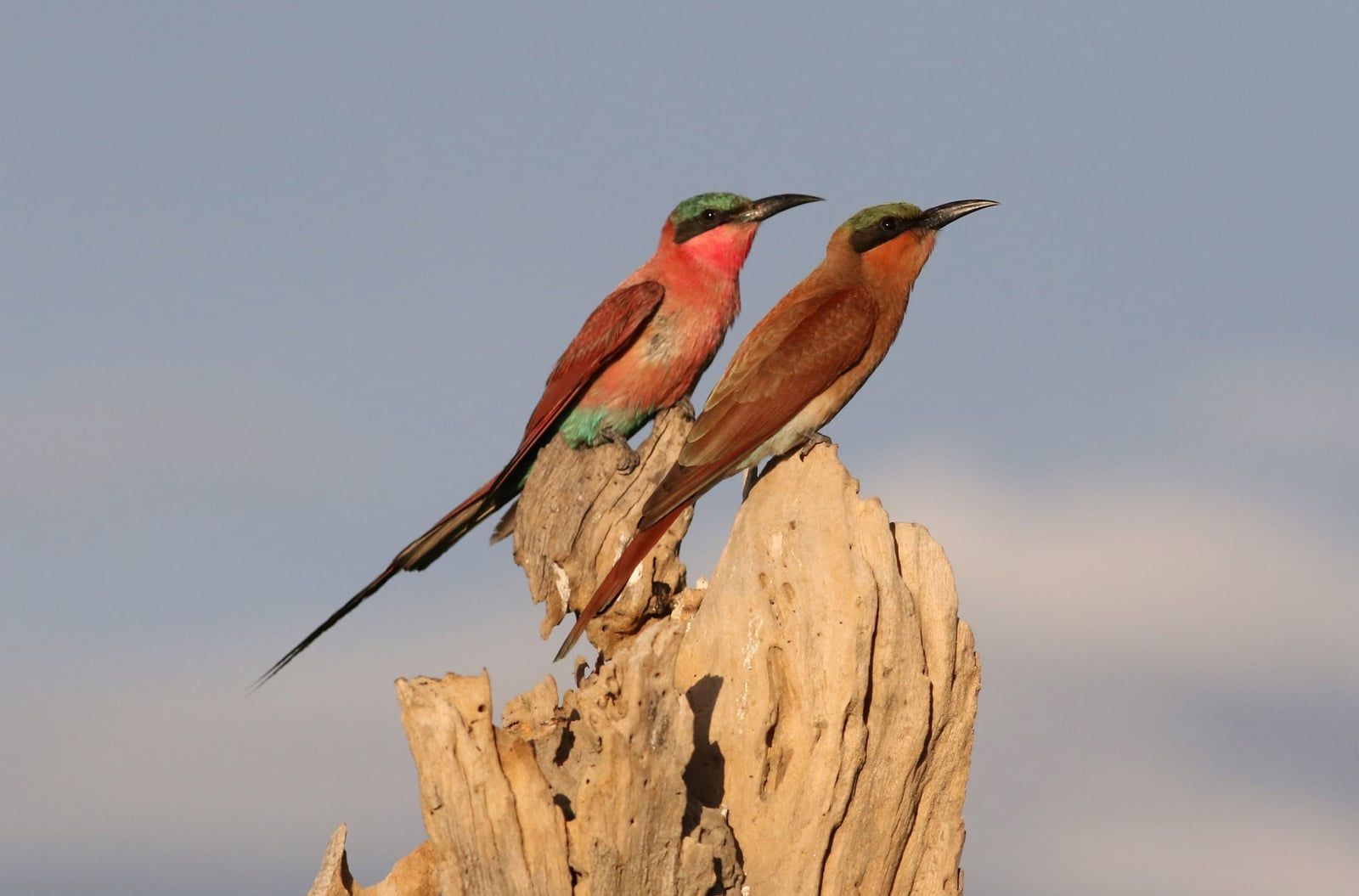
Over 450 bird species have been recorded in Chobe, and the wet months add the migrants: Palearctic and intra-African arrivals including bee-eaters, rollers, storks, raptors and quelea. Waves land from December and the full cast is present by February. Carmine bee-eaters hawking over the floodplains among the hippos are worth the trip on their own if you carry binoculars.
Storms, mud and mosquitoes
The weather pattern is predictable: clear mornings, short violent afternoon storms, afternoons around 33 °C and humid. Afternoon showers can cut a game drive short, and some Savuti and Linyanti tracks turn muddy or impassable — reaching the interior regions demands a proper 4×4 even when they're passable. Malaria risk peaks in these months too. The compensation is real: solitude, green landscapes and the cheapest beds of the year. Birders, photographers and repeat visitors should go; first-timers chasing the elephant spectacle should wait.
Chobe Month by Month
Short entries, every month, including the shoulders competitors skip. Rate seasons and crowd levels follow the wildlife, so the two lines move together.
January–February: deep green season
The wettest, most humid months, with game widely dispersed and zebra foals dropping on the Makgadikgadi pans to the south. All migrant bird species are present by February, which is also a high-risk malaria month — precautions matter. Rates sit at their yearly floor.
March–April: the rains wind down
Showers ease and the zebra migration turns around, passing back north through Savuti in impressive numbers. The bush is still thick, then begins opening as April closes. A quiet, cheap, photogenic shoulder — good for birders and anglers waiting out the January–March fishing closure.
May: the dry season opens
Warm days around 28 °C cooling to single digits after dark, the first big herds reaching the river, and rates still in shoulder bands. If one month gives near-peak conditions for below-peak money, it's May.
June–July: cold dawns, building herds
The coldest pair, with vehicle dawns at 6–8 °C before afternoons recover to about 27 °C. Herds build into the hundreds at the river and peak-season demand begins, though July and August also see the fewest mosquitoes of the year. Book well ahead from here on.
August: Chobe at full throttle
Everything peaks at once: maximum river activity, the barbel run in the Kasai channel, wild dogs working the Linyanti and Savuti corridors. Demand is high and riverfront lodges need long lead times. If you want the complete dry-season show in one month, this is it.
September: maximum density
Elephant herds of a thousand or more gather at the river and the first migrant birds arrive late in the month. Hot, but not yet October-hot, and priced at peak. The strongest single month in the park.
October: the hottest month
Afternoons push 35 °C and dust hangs over everything, yet the game density is the year's rawest — prey has nowhere left to hide and predators know it. Crowds actually thin as the heat climbs, so heat-tolerant travellers get the spectacle with fewer vehicles.
November: the storms arrive
The first rains break the heat, the landscape greens up, and rates drop to shoulder levels. Up to 30,000 zebra begin their southward trek through Savuti toward the Makgadikgadi. Game starts dispersing, but river cruises stay productive.
December: wet rhythm established
Afternoon storms settle into a routine, newborn antelope appear, and birding is superb. It's the quietest month in the park and among the cheapest. A green-season gamble that pays off for birders and solitude-seekers.
Two Spectacles Worth Planning Around
Most Chobe trips are built around seasons. Two dateable events are worth building entire itineraries around instead.
The Savuti zebra migration
Roughly 30,000 zebra move between the Chobe and Linyanti floodplains and the Makgadikgadi pans — one of Africa's longest terrestrial migrations, and barely known next to the Serengeti's. Herds push south through Savuti with the first November rains, then return north through the same country in March and April. Time a Savuti stay to either end of the movement and you'll watch columns of zebra cross open marshland for hours.
The August barbel run
Each August, shoals of catfish (barbel) move up the Kasai channel with tiger fish in pursuit, and the chaos feeds everything above them: herons, storks, fish eagles and crocodiles converge in a sustained feeding frenzy. Anglers rate August the best fishing month of the year for exactly this reason, and September tiger fishing on the Chobe River runs a close second. Note the closed season: fishing is banned in January, February and March to protect tigerfish stocks.
Best Time by Traveler Type and Park Region
"Best" changes with who you are and where in the park you'll actually be. Chobe has four regions, and they don't share a calendar.
First-timers
Go July or August: comfortable days, cold but manageable dawns, and herds already in the hundreds. September if you tolerate heat well and want the densest game. Base in Kasane, do one morning drive and one sunset cruise, and you'll have seen the park's two best angles. If you're coming from Zimbabwe, a day trip from Victoria Falls covers the essentials.
Photographers
Dry season for density, thin bush and eye-level river shots — accept the dust haze in September and October. Green season for storm light, newborns and birds in breeding plumage. Split the difference in May: clear air, soft light, big herds, few vehicles.
Birders and anglers
Birders should target November to April, with February the peak month once all migrants are in; late September brings the first arrivals if you can't escape the dry season. Anglers get May to October, anchored by the August barbel run — remember the January–March closure.
Value and solitude seekers
May–June and November are the shoulder plays: near-peak wildlife, mid-range rates, thin traffic. December–February is the deep-value floor with the quietest tracks — if you can live with dispersed game and afternoon storms.
Region changes the answer
The accessible riverfront near Kasane peaks August to October, boat cruises included. Savuti, remote and predator-focused, is excellent year-round and carries the zebra migration. Linyanti's private concessions hold strong dry-season concentrations of elephant, lechwe and predators; Nogatsaa, the least-visited region, is a hot interior of mopane and clay pans where green-season access is strictly 4×4. A self-drive combining riverfront and Savuti realistically needs 3–4 days — the Kasane–Savuti run alone is about 195 km and five to six hours in the dry season.
Planning Your Trip: Rates, Crowds, Fees and Health
Timing is the big decision, but the small print — fees, lead times, malaria pills and packing — decides whether your chosen month runs smoothly. Four short subsections.
Park entry fees
Under the long-standing schedule, international adults pay BWP 120 (about US$11) per day and children 8–17 pay BWP 60; under-8s enter free. A gazetted increase to BWP 270 per adult and BWP 135 per child was scheduled for April 2026 but postponed, so confirm the applicable rate at Sedudu Gate before you travel. Fees are charged per person per calendar day, including your departure day, and re-entry requires a new ticket. Card machines fail routinely and there are no ATMs in the park — carry pula. Full detail is on our hours and fees page.
Booking lead times and the rate trap
Peak-season riverfront lodges and the Savuti and Linyanti camps typically need nine to twelve months' notice; shoulder and green season is comfortable four to six months out, and unfenced campsites like Ihaha fill months ahead too. Watch the rate-season mismatch: May often sits in a lower band despite conditions nearly identical to June, while September sometimes carries peak pricing even as temperatures climb sharply. Paying June prices in May is the single best value move in Chobe — see our guide to where to stay in Chobe for the options.
Malaria and packing
Chobe is a CDC-listed malaria transmission area year-round, with risk highest roughly November to June. Take prophylaxis as prescribed, use repellent with at least 30% DEET, and cover arms and legs at dawn and dusk. Packing follows the season: fleece and beanie for June–July drives, a waterproof shell for November–March, neutral colours throughout, and soft bags under 20 kg if you're flying to bush camps on light aircraft.
Pairing Chobe with Victoria Falls
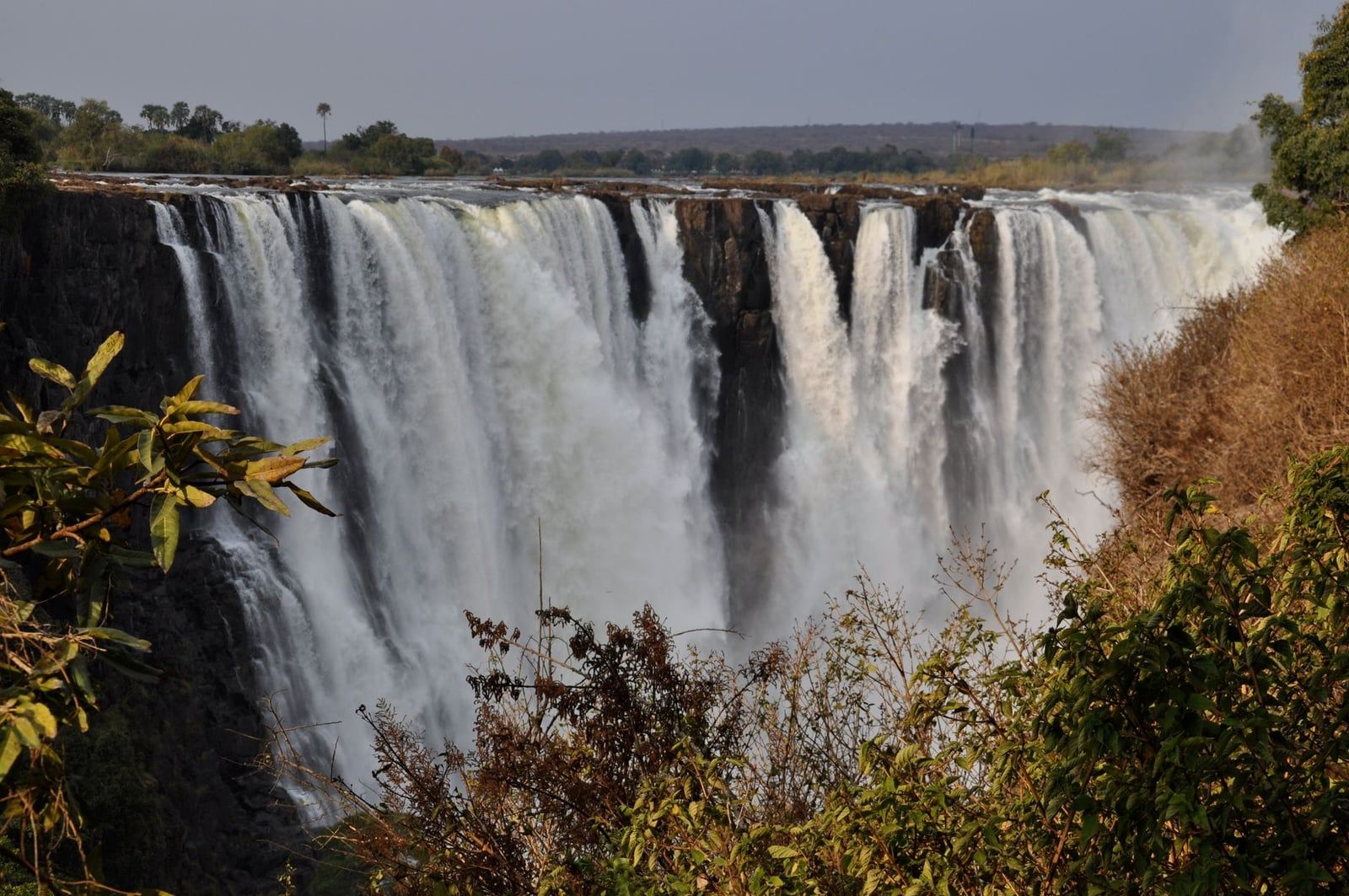
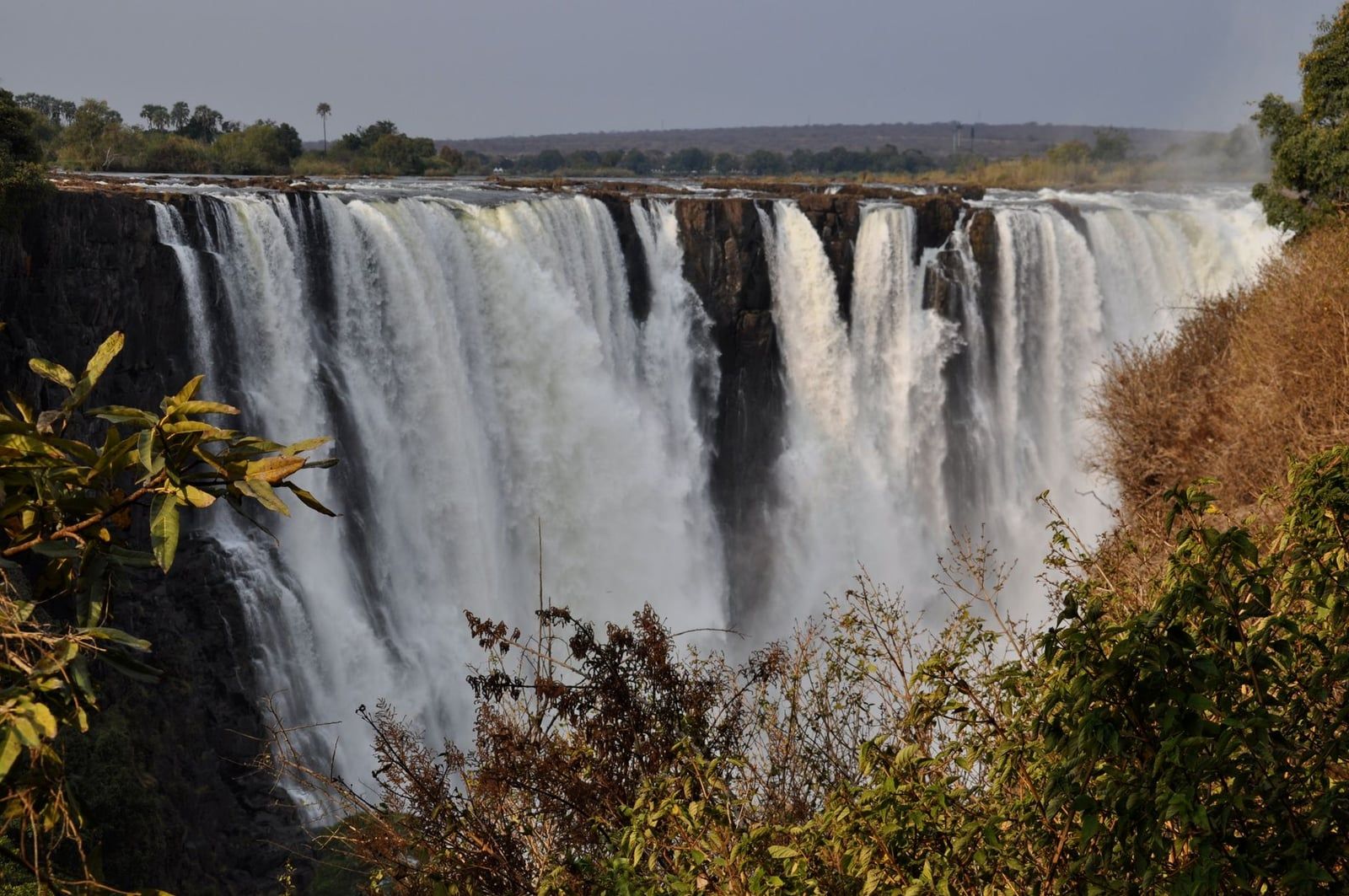
Kasane sits 80 km — about an hour — from Victoria Falls via the Kazungula Border Post, so the combination is near-effortless. The catch is calendars: the falls peak in flow from February to May while Chobe's dry season runs May to October. May and June is the overlap window when both are at or near their best. Rafting on the Zambezi below the falls runs in the low-water months, roughly August to December, if you want that too.
The Verdict: Choosing Your Window
Maximum wildlife: September–October, accepting heat, dust and crowds. Best balance of comfort and density: July–August. Best value: May–June and November, when rates lag conditions. Best for birds, babies and solitude: December–February, malaria precautions included. Year-round wildcard: Savuti, which never has a bad month.
For most first-time visitors the answer is July or August — comfortable enough to enjoy long drives, dense enough to guarantee the elephant spectacle, with the river cruise at its best. If those months are booked solid or priced out, shift to May rather than October: you'll trade a few hundred elephants for cooler air and a smaller bill. When you've picked your window, compare guided Chobe safari tours to lock in the dates.
Frequently Asked Questions
What is the best month to visit Chobe National Park?
September. Wildlife density at the river peaks, the first migrant birds arrive, and temperatures are more forgiving than October's 35 °C afternoons. July and August are the comfortable alternative; May and June are the value plays.
Is Chobe worth visiting in the wet season?
Yes, if you know what you're buying. November to April brings 450-plus bird species including migrants, newborn animals and active predators, dramatic skies and the year's lowest rates. The trade-offs: dispersed game, afternoon storms, some impassable tracks and peak malaria risk.
When is the best time to see elephants in Chobe?
Dry season, May to October, building to a peak from August onward, when herds of a thousand or more gather at the Chobe River. The park carries an estimated 50,000–70,000 elephants — the densest concentration on Earth.
Is Chobe National Park malaria-free?
No. Chobe is a CDC-listed malaria transmission area with year-round risk, highest roughly November to June. Take prescribed prophylaxis, use repellent with at least 30% DEET, cover up at dawn and dusk, and see a travel clinic before departure.
How much are Chobe National Park entrance fees?
Under the long-standing schedule, international adults pay BWP 120 per day and children 8–17 pay BWP 60, with under-8s free. A gazetted increase to BWP 270/135 was postponed, so confirm the current rate at the gate. Fees apply per calendar day, including departure day.
When should I combine Chobe with Victoria Falls?
Kasane is 80 km — about an hour — from Victoria Falls. The falls peak in flow February to May while Chobe peaks May to October, so May and June is the window when both destinations are at or near their best.
How many days do you need in Chobe?
One or two nights in Kasane covers the riverfront drives and cruises. Three to four days allows a Savuti add-on — the drive there alone takes five to six hours. Book peak-season lodges nine to twelve months ahead.
Can you visit Chobe in November?
Yes, and it's underrated. The first storms break the October heat, rates drop, and the zebra migration — up to 30,000 animals — starts south through Savuti. Game begins dispersing from the river, but cruises stay productive.